

Why Classrooms Are Looking Beyond Their Own Walls
Across the United States, schools from Baltimore to Sacramento are rethinking what learning actually looks like. Instead of confining instruction to textbooks and test prep, many districts are turning to community engagement and collaborative learning as a strategy for deeper, more meaningful education.
This shift raises an intriguing question: what happens when neighborhoods, families, and local organizations become active partners in the learning process?
A Growing Movement with Measurable Impact
Research increasingly points to the impact of community involvement on education, linking it to improved attendance, higher graduation rates, and stronger student motivation. Some school districts report engagement gains of over 20 percent after launching community-based programs.
These outcomes are not accidental. They stem from intentional collaborative learning strategies that connect classrooms to real-world experiences.
- Partnerships with local businesses for hands-on internships
- Service-learning projects tied to neighborhood needs
- Parent-teacher collaboratives shaping curriculum decisions
- Mentorship programs linking students with community leaders
What This Article Will Explore
Understanding the importance of community engagement in education requires examining both the benefits and the challenges educators face when building these partnerships. It also means looking closely at how educational environments and collaboration intersect in practice.
This piece will unpack the tangible benefits of collaborative learning in schools, backed by data and real classroom examples. Readers will discover how community-driven approaches are reshaping American education—and why the trend shows no signs of slowing down.
# From Theory to Practice: How Local Partnerships Reshape the ClassroomWalk into a classroom in Cincinnati or Portland today, and you might find students designing solutions for local water quality issues alongside city engineers. This is not an isolated experiment. It represents a broader transformation in how educators view the relationship between community engagement and collaborative learning.The old model—teacher lectures, students absorb, tests measure retention—is being challenged by evidence that suggests learning sticks better when it feels relevant. When a lesson connects to something happening down the street, students pay attention differently.## The Data Behind the ShiftNumbers tell part of the story. A 2022 analysis of Title I schools found that campuses implementing structured community partnerships saw a 15 percent increase in student engagement scores within a single academic year. Chronic absenteeism, a persistent problem in many urban districts, dropped noticeably in schools that introduced local mentorship initiatives.This aligns with what researchers have long argued about the impact of community involvement on education. When students see adults outside their immediate family invested in their success, motivation tends to follow.Several patterns emerge consistently across successful programs:
- Students report feeling more accountable when community members are directly involved in their projects
- Teachers note improved classroom behavior when lessons have real-world stakes
- Families become more engaged with school activities when invited as active participants, not just spectators
- Local organizations gain a pipeline of civically minded young people familiar with community needs
## Why Educational Environments Matter More Than We ThinkPhysical and social context shapes learning far more than traditional models acknowledge. This is where educational environments and collaboration intersect in powerful ways.A science class studying renewable energy gains a different dimension when local solar companies host site visits. A history unit on civil rights becomes tangible when community elders share firsthand accounts. These are not just enrichment activities—they are collaborative learning strategies that transform abstract content into lived experience.Chicago Public Schools piloted exactly this approach in 2021, pairing environmental science curricula with neighborhood clean-up initiatives. Within two semesters, participating schools reported higher project completion rates and increased parent attendance at school events.The question educators now face is not whether these partnerships work, but how to scale them sustainably across diverse communities with varying resources.
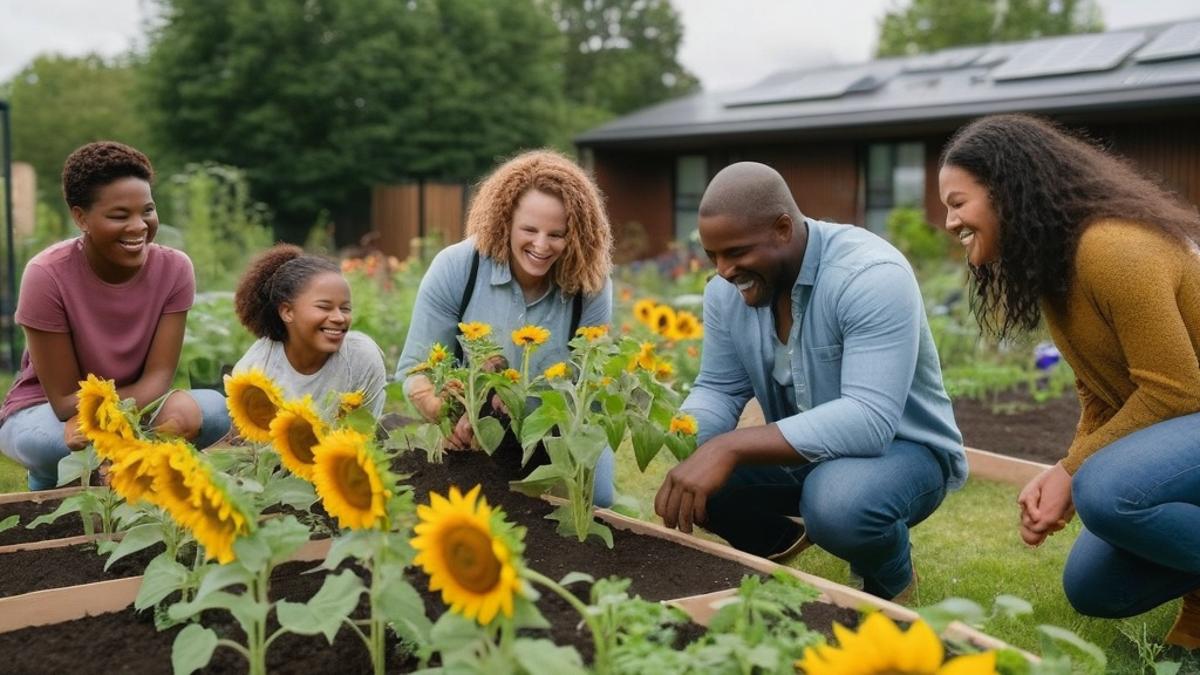
CHECK OUT: The Role of Community Engagement in Enhancing Student Learning Outcomes
# Barriers, Breakthroughs, and What Sustainable Models Actually Look LikeNot every attempt to merge classroom instruction with community involvement succeeds. Funding gaps, logistical hurdles, and inconsistent teacher training often derail promising initiatives before they gain traction.Rural districts face a particular challenge. Unlike urban centers with dense networks of businesses and nonprofits, smaller towns may have fewer institutional partners available. Yet some of the most inventive collaborative learning strategies have emerged precisely from these resource-limited settings.## Rural Innovation and Digital BridgesConsider a school district in rural Nebraska that connected agriculture students with local farmers through a shared data-tracking project on soil health. Students collected measurements, farmers provided context, and the partnership required no significant financial investment—just structured time and clear communication.Technology has also closed geographic gaps that once limited the importance of community engagement in education. Video conferencing tools now allow students in isolated areas to interact with professionals, historians, and scientists hundreds of miles away.A 2023 survey of rural educators found that:
- 68 percent reported increased student interest when virtual community partnerships were introduced
- Nearly half cited scheduling flexibility as the biggest advantage of remote collaboration
- Only 22 percent felt they had adequate training to sustain these partnerships long-term
That last figure matters. Enthusiasm alone does not guarantee durability.## Building Frameworks That LastSchool districts that treat community partnerships as ongoing infrastructure, rather than one-time events, tend to see stronger outcomes. This requires designated staff, clear communication channels, and mutual accountability between schools and outside organizations.Baltimore City Public Schools offers a useful case study. District administrators created a formal liaison position specifically to manage community partnerships across multiple campuses. Within eighteen months, the number of active collaborations tripled, and teacher-reported satisfaction with partnership logistics rose sharply.The benefits of collaborative learning in schools extend beyond test scores or attendance figures. Students involved in sustained community projects often develop communication skills and civic awareness that standardized assessments simply do not capture.Employers have started noticing this shift too. Some local businesses now specifically recruit from schools known for strong community-based programs, viewing these students as better prepared for collaborative workplace environments.What remains unclear is how smaller, underfunded districts can replicate these frameworks without the administrative capacity that larger systems possess. That question is likely to shape education policy debates for years to come.
Where Classrooms and Communities Meet
The evidence gathered across rural farmlands and urban districts alike points to one conclusion: community engagement and collaborative learning are not peripheral add-ons to education. They are becoming central to how students prepare for life beyond graduation.
What stands out most is the diversity of approaches. A soil-tracking project in Nebraska and a formal liaison position in Baltimore look nothing alike on paper, yet both reflect the same underlying principle. When schools stop treating outside partnerships as occasional events and start building them into daily practice, results follow.
The Data Behind the Momentum
The numbers reinforce this shift. Sixty-eight percent of rural educators reported sharper student interest once virtual partnerships entered the picture. Tripled collaboration rates in Baltimore signal that infrastructure, not enthusiasm alone, drives lasting change. Still, the fact that only 22 percent of teachers feel properly trained suggests the movement remains unfinished.
This gap between adoption and preparedness may define the next phase of educational environments and collaboration. Districts eager to replicate success stories will need more than inspiration; they will need funding models, staff training, and realistic timelines.
Looking Ahead
The impact of community involvement on education stretches far beyond test scores, touching civic awareness and workplace readiness in ways that are only beginning to be measured. As more employers take notice of students shaped by these programs, pressure will likely grow on smaller districts to find affordable paths forward.
Whether that happens through shared regional resources, state-level funding, or new digital tools remains an open question. What seems certain is that the conversation around collaboration in schools is far from over.
Frequently Asked Questions
How does community engagement enhance collaborative learning in schools?
Community engagement fosters a sense of belonging and shared purpose among students, which significantly enhances their collaborative learning experiences. By working together on local projects, students can apply their skills in real-world contexts, leading to deeper understanding and stronger teamwork dynamics.
What are some effective strategies for promoting community engagement in collaborative learning settings?
Effective strategies include involving local organizations in school projects, facilitating service-learning opportunities, and encouraging students to participate in community events. Such initiatives help students connect academic concepts with real-life applications, thereby enhancing both community engagement and collaborative learning.
How can teachers assess the impact of community engagement on collaborative learning outcomes?
Teachers can assess the impact through surveys, reflective journals, and group discussions that focus on students’ experiences in community-based projects. Additionally, measuring academic performance and collaboration skills before and after such initiatives can provide empirical data on the effects of community engagement.
What role do parents and guardians play in facilitating community engagement and collaborative learning?
Parents and guardians can play a crucial role by volunteering in school events, supporting extracurricular activities, and providing resources for community projects. Their involvement not only strengthens the school-community relationship but also encourages students to value collaboration and civic responsibility.
Can virtual platforms effectively promote community engagement and collaborative learning during remote education?
Yes, virtual platforms can effectively promote community engagement and collaborative learning by enabling students to connect with local organizations, participate in online discussions, and collaborate on projects. Tools like video conferencing and collaborative software can help maintain a sense of community even when physical interaction is limited.