

Rethinking the Library: More Than Just Books
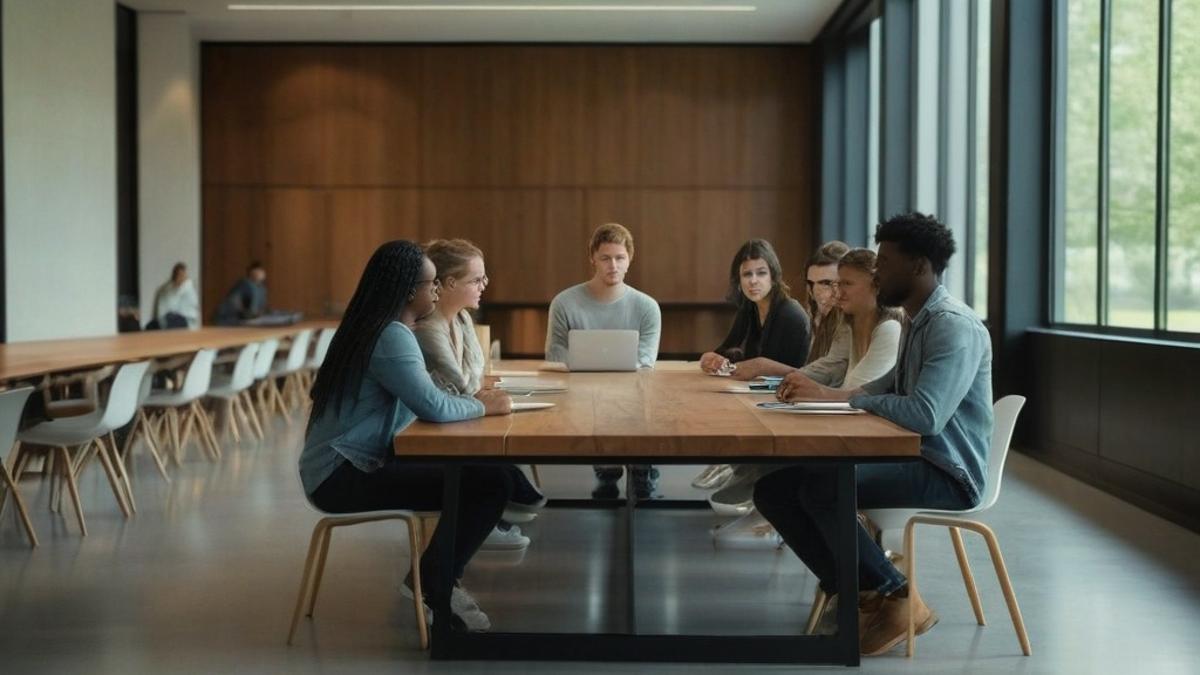
Walk into a university library today, and you might not recognize it. Gone are the rows of silent stacks and rigid study carrels. In their place: collaborative pods, tech-enabled lounges, and makerspaces buzzing with activity.
Modern library spaces have become one of the most talked-about trends in education. Campuses across the United States, from community colleges to Ivy League institutions, are investing millions in redesigns. These changes reflect a growing recognition that libraries need to cater not just to traditional reading and research, but also to a myriad of student needs in an increasingly digital and collaborative world.
Why the Shift Matters
The impact of library design on learning is no longer just anecdotal. Research increasingly shows that physical space shapes how students think, interact, and retain information. A well-designed environment can encourage innovative thinking and foster deeper engagement with the material.
Consider what a redesigned library often includes:
- Flexible seating arrangements that support both group work and solo focus. For example, movable furniture can transform a space to accommodate everything from individual study sessions to lively group discussions.
- Soundproofed pods for student collaboration in library spaces ensure that students can brainstorm and work together without disturbing those who prefer a quieter environment for studying.
- 24/7 access zones equipped with charging stations and high-speed Wi-Fi cater to the modern student’s demands for connectivity and convenience, allowing for uninterrupted study sessions at any hour.
- Technology labs featuring 3D printers, VR headsets, and podcasting equipment empower students to explore new methods of learning and creativity, bridging the gap between theory and practical application.
These aren’t superficial upgrades; they reflect a broader shift toward flexible library environments designed around how students actually learn today. This approach recognizes that learning happens in many forms and spaces.
A Measurable Difference
Some institutions report striking results. For instance, the University of Arizona experienced a significant increase in student visits to its redesigned library, where foot traffic rose by over 30 percent within a single academic year. This data reinforces the idea that redesigned spaces can attract students not just for quiet study but for collaboration and exploration.
That kind of engagement raises an important question worth exploring further: what exactly makes these spaces so effective? The answer lies in understanding library spaces and student engagement on a deeper level. Factors such as the ability to access various resources, whether physical or technological, contribute significantly to the student experience.
This article examines the latest modern library trends reshaping campuses nationwide and what they reveal about the future of student learning. With a closer look at these trends, readers can gain insights into how libraries are evolving to meet the diverse needs of their communities.
YOU MAY ALSO LIKE: The Impact of Modern Academic Facilities on Student Engagement and Learning Outcomes
The Impact of Environment on Learning Outcomes
Educational researchers have long suspected that environment influences cognition, but only recently has this idea gained solid empirical footing. Studies from institutions like the University of Michigan and Steelcase Education suggest that flexible library environments can substantially boost student focus, reduce stress, and increase time spent on academic tasks. With an increasing body of evidence supporting these claims, it is essential to explore how specific design elements can create spaces conducive to learning.
One widely cited study found that students in adaptable learning spaces reported a 15 percent increase in perceived engagement compared to those in traditional, fixed classrooms. This remarkable finding highlights how much the physical environment can affect student interest and participation in their studies. While correlation isn’t causation, the consistent pattern observed across various campuses certainly warrants attention and further exploration.
What Students Actually Want
Surveys conducted by EDUCAUSE and various campus library systems reveal a clear pattern: students crave variety in their study environments. They prefer options that adapt to their immediate tasks, whether that’s cramming for finals or collaborating on group projects. The traditional model of one-size-fits-all library environments is becoming outdated in the face of this evolving student demand.
Common student preferences tend to cluster around a few key features:
- Quiet zones with minimal foot traffic, ideal for deep focus and test preparation. These spaces allow students to immerse themselves in their studies without distractions.
- Semi-private breakout rooms that support small-group discussions without the formal settings of a conference room. Such environments foster collaboration while maintaining a balance of privacy.
- Open lounge areas with natural light. These spaces are often ranked highest in student satisfaction surveys, as they promote relaxation and informal study sessions.
- Hybrid zones that combine digital whiteboards with comfortable seating, beneficial for both remote and in-person teamwork, allowing students to brainstorm and innovate freely.
This clear demand for variety is pivotal to understanding library spaces and student engagement. Research shows when students feel that a space aligns with their current task, they tend to stay longer, return more frequently, and express higher satisfaction with their overall campus experience.
Case Study: North Carolina State University
A notable example of these principles in action is found at North Carolina State University’s James B. Hunt Jr. Library. Often cited as a blueprint for contemporary academic libraries, the facility, opened in 2013, boasts a robotic book retrieval system, a game lab, and dozens of reconfigurable meeting rooms. These innovations have led to consistently high usage rates, with thousands of students visiting daily during peak semesters.
What makes Hunt Library particularly notable is its data-driven approach to space utilization. Staff members meticulously track which areas are most popular and adapt furniture layouts, technological offerings, and resource availability accordingly. This iterative process reflects a broader modern library trend of treating library spaces as dynamic, living products rather than static buildings.
The takeaway for other institutions is straightforward yet crucial. Effective student collaboration in library spaces doesn’t happen by accident. It requires ongoing observation, a willingness to experiment, and a genuine understanding of how student needs fluctuate between semesters. Adapting to these changing needs could very well be the key to fostering a more engaged and productive student body in the ever-evolving landscape of higher education.
YOU MAY ALSO LIKE: The Evolution of Academic Facilities: How Modern Learning Environments Are Transforming Education
# Technology Integration and the Rise of Collaborative Learning HubsThe conversation around modern library spaces would be incomplete without addressing technology’s transformative role. Gone are the days when libraries simply housed books and quiet reading nooks. Today’s academic libraries function as technology-rich ecosystems designed to support everything from virtual reality research to podcast recording.A 2022 survey by the Association of College and Research Libraries found that 68 percent of academic libraries had invested in some form of collaborative technology within the previous three years. This includes interactive displays, wireless presentation systems, and cloud-based collaboration tools that allow students to work seamlessly across devices.## Data-Backed Evidence for Collaborative DesignThe impact of library design on learning becomes particularly evident when examining usage metrics from libraries that have undergone significant renovations.At the University of Texas at Austin’s Fondren Library, administrators reported a 40 percent increase in group study room bookings following a 2019 redesign that prioritized flexible furniture and integrated technology. Similarly, Arizona State University’s Hayden Library saw gate counts rise by nearly 30 percent after introducing maker spaces and collaborative zones equipped with 3D printers and podcast studios.These numbers tell a compelling story about student collaboration in library spaces. When institutions invest in adaptable, tech-forward environments, students respond by showing up more often and staying longer.Several factors consistently emerge as drivers of successful collaborative spaces:
- Moveable furniture systems that allow students to reconfigure rooms within minutes, accommodating everything from solo study to twelve-person project teams.
- Charging infrastructure built directly into tables and seating, eliminating the frustration of hunting for outlets during long study sessions.
- Soundproofing technology that permits lively discussion in one zone without disrupting silent study happening just feet away.
- Bookable digital scheduling systems that let students reserve specialized rooms in advance, reducing the friction of competing for popular spaces.
## Why Informal Learning Matters More Than EverPerhaps the most underappreciated aspect of flexible library environments is their capacity to support informal, unstructured learning. Not all meaningful academic work happens in scheduled study sessions or formal group meetings.Research from Indiana University’s Project Information Literacy found that students frequently credit spontaneous conversations in library common areas with sparking new ideas or clarifying confusing concepts. These serendipitous interactions, difficult to quantify but widely reported, represent a hidden value proposition of well-designed communal spaces.This phenomenon aligns with broader modern library trends emphasizing community-building over pure information storage. Libraries increasingly resemble town squares for academic life, where casual encounters between students, faculty, and even guest researchers can catalyze unexpected collaboration.The implications extend beyond individual student experience. Institutions tracking retention rates have begun correlating increased library engagement with improved persistence toward degree completion, suggesting that library spaces and student engagement may influence outcomes far beyond the classroom walls.
Rethinking the Library’s Role in Student Success
The evidence is clear: modern library spaces have evolved far beyond their traditional role as quiet repositories for books. They have become dynamic hubs where technology, flexible design, and human connection intersect to shape how students learn, collaborate, and grow academically.
From the 40 percent surge in group study bookings at Fondren Library to the community-building magic happening in casual conversation nooks, the numbers and the anecdotes tell the same story. The impact of library design on learning is not theoretical anymore. It is measurable, replicable, and increasingly essential to institutional strategy.
What This Means Going Forward
Colleges and universities across the United States are recognizing that student collaboration in library spaces cannot happen by accident. It requires deliberate investment in moveable furniture, robust technology infrastructure, and zones that balance focused work with spontaneous interaction.
Institutions that overlook this reality risk falling behind, not just in student satisfaction scores but potentially in retention and graduation outcomes. As library spaces and student engagement continue to show strong correlations with academic persistence, administrators have real financial and educational incentives to prioritize thoughtful renovations.
Looking ahead, the next wave of modern library trends will likely push even further into hybrid physical-digital experiences, incorporating artificial intelligence tools, expanded maker spaces, and wellness-focused design elements like natural lighting and biophilic layouts.
What remains constant is the core principle driving successful flexible library environments: adaptability. Libraries that can shift with student needs, rather than demanding students adapt to rigid structures, will define the next generation of academic success.
For students, faculty, and administrators alike, one thing is certain. The library is no longer just a building full of books. It is a living laboratory for how learning happens best.
Frequently Asked Questions
How do modern library spaces facilitate collaborative learning among students?
Modern library spaces are designed with flexible seating arrangements, group study areas, and technology hubs that encourage teamwork and collaboration. These environments foster interaction and enable students to share resources, ideas, and skills, ultimately enhancing their learning experiences.
What role does technology play in modern library spaces for students?
Technology in modern library spaces is integral to enhancing student learning. Access to computers, high-speed Wi-Fi, digital resources, and multimedia tools allows students to conduct research, collaborate on projects, and engage with interactive learning materials more effectively.
How do modern library designs cater to diverse learning styles?
Modern library spaces incorporate various areas such as quiet study zones, group collaboration spots, and creative maker spaces to cater to different learning styles. This variety allows students to choose environments that suit their preferred methods of learning, whether it’s solitary study or group brainstorming.
What impact do comfortable seating and aesthetic design have on student productivity in modern library spaces?
Comfortable seating and thoughtful aesthetic design in modern library spaces contribute significantly to student productivity. By creating a welcoming and visually appealing environment, students are more likely to feel motivated and focused, which can lead to improved academic performance and engagement.
In what ways do modern library spaces support inclusive education?
Modern library spaces are often designed to be accessible and inclusive, offering resources for students with diverse needs. This includes adaptive technology, quiet study areas, and programs tailored for various learning abilities, ensuring that all students can benefit from library resources and services.